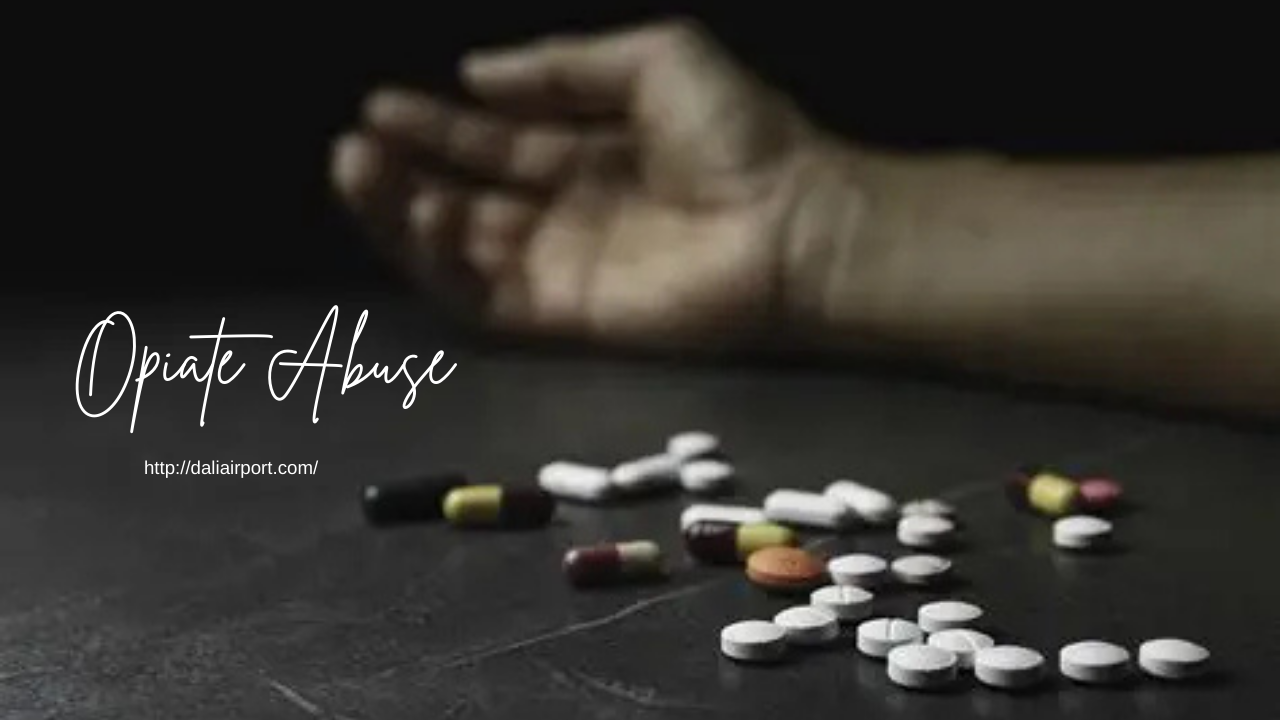
The opioid epidemic has become one of the most pressing health crises of our time, claiming lives and devastating families across the globe. What often begins as a prescribed medication for pain management can quickly spiral into a cycle of dependence, addiction, and in far too many cases, overdose. To break free from this trap, it is important to understand how the cycle works and why professional, holistic, and compassionate treatment is essential for recovery.
How the Cycle of Opioid Addiction Begins
Opioids such as oxycodone, hydrocodone, heroin, and fentanyl act on the brain’s reward system, producing powerful feelings of relief and euphoria. While effective at reducing pain, they also create changes in brain chemistry that make dependence highly likely.
For many, the cycle begins with a legitimate prescription following surgery or injury. Over time, tolerance develops, meaning higher doses are required to achieve the same effect. This leads to dependence, where the body and mind feel unable to function without the substance. Once addiction sets in, the risk of overdose becomes dangerously high.
The Role of Tolerance and Dependence
Tolerance and dependence are central to the opioid trap. As tolerance increases, individuals may take more than prescribed or turn to illicit substances like heroin or fentanyl when prescriptions run out. This shift raises the likelihood of accidental overdose, especially with synthetic opioids that are far stronger than traditional painkillers.
The Overdose Crisis
Overdose is one of the most tragic outcomes of opioid addiction, and unfortunately, it is on the rise. Synthetic opioids like fentanyl are particularly deadly, as even small amounts can shut down breathing and cause death within minutes. Emergency responders often rely on naloxone to reverse overdoses, but timely access is not always possible.
Every overdose is a stark reminder that addiction is not a matter of willpower or moral failure. It is a chronic medical condition that requires urgent and compassionate treatment.
Pathways to Breaking the Cycle
Recovery is possible, but it requires a comprehensive and individualized approach. Breaking free from the opioid trap involves more than detox. It requires addressing the root causes of addiction and providing the tools needed for long-term healing.
Inpatient and Outpatient Programs
Inpatient care offers a structured environment where individuals can safely detox and begin recovery without exposure to outside triggers. Outpatient programs provide flexibility, allowing clients to attend therapy and counseling while continuing with daily responsibilities. Both options emphasize personalized care tailored to each person’s journey.
Holistic and Faith-Based Healing
Addiction impacts every area of life, which is why holistic approaches are so effective. Incorporating practices such as mindfulness, physical wellness, counseling, and nutrition helps restore balance and strengthen resilience. Faith-based support adds another layer of healing by offering spiritual guidance and purpose throughout recovery.
Addressing Co-Occurring Disorders
Mental health challenges like depression, anxiety, and trauma often fuel the cycle of opioid addiction. Treating both addiction and co-occurring conditions at the same time significantly improves recovery outcomes. An integrated approach ensures that individuals receive the full support they need to heal.
Breaking the Silence in Our Communities
The opioid crisis thrives in silence and stigma. When families and communities open conversations about addiction and recovery, they reduce shame and encourage more people to seek help. Early intervention saves lives, while community support creates a foundation for lasting recovery.
Freedom from the Opioid Trap Is Possible
The opioid trap may feel overwhelming, but no one has to face it alone. With compassionate care, holistic healing, and individualized treatment, recovery is within reach. If you or someone you love is struggling with opioid addiction, now is the time to take the first step toward healing. Reaching out for help is not a sign of weakness. It is the first step toward reclaiming life, health, and hope.