When Healing Hurts: How Prescription Painkillers Sparked a Global Addiction Crisis

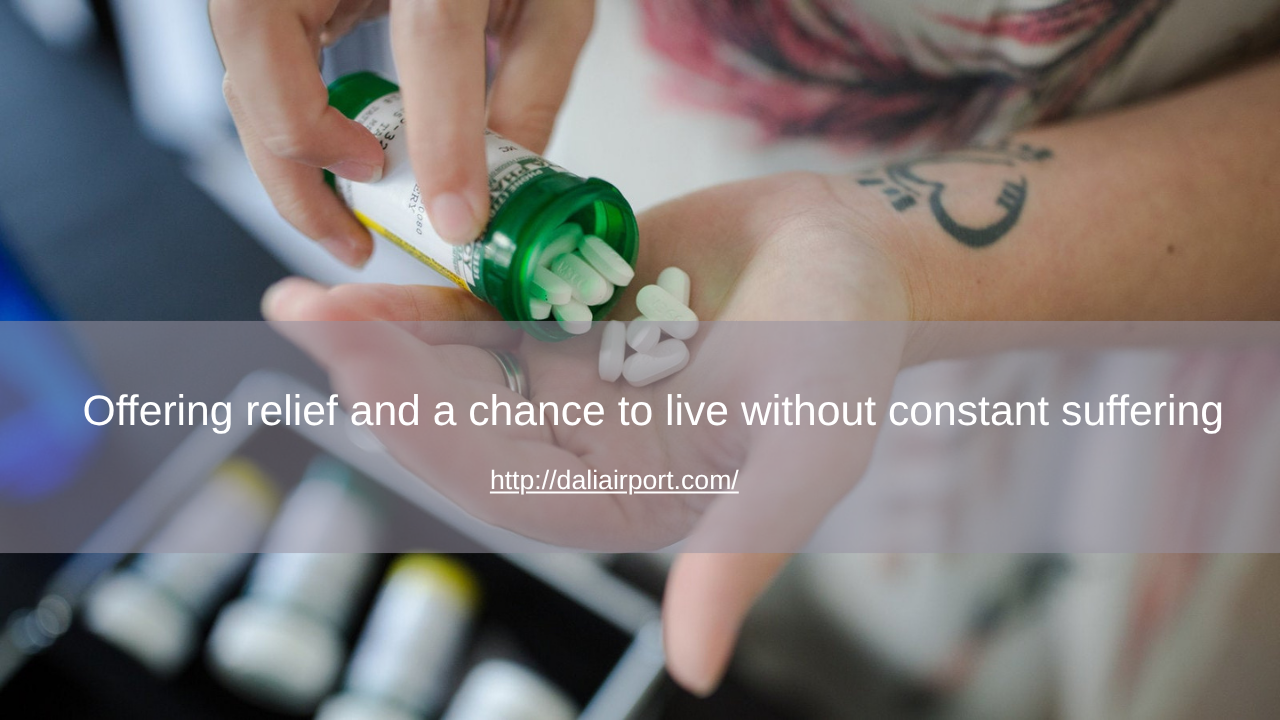
Prescription painkillers were once seen as a miracle solution for chronic pain, offering relief and a chance to live without constant suffering. However, what began as a medical breakthrough has grown into one of the most devastating addiction crises of our time. Across the globe, millions of people have found themselves trapped in the dangerous cycle of opioid dependence, often beginning with a legitimate prescription. At Dali Airport Recovery Center, we understand how easily the line between healing and harm can blur—and we are committed to helping individuals reclaim their lives through compassionate, evidence-based recovery care.


Understanding the Rise of Prescription Painkiller Addiction

In the late 1990s, prescription opioids like oxycodone and hydrocodone became widely used for managing pain. Pharmaceutical companies assured doctors that these medications were safe and non-addictive when taken as prescribed. Unfortunately, these claims proved false. As prescriptions increased, so did misuse, dependency, and ultimately, overdose deaths.

The body quickly builds tolerance to opioids, requiring higher doses to achieve the same relief. For many patients, this progression from pain management to addiction happens gradually and often without awareness. What begins as a doctor’s recommendation can evolve into a daily struggle for control.


The Hidden Dangers Behind the Prescription

The danger of prescription opioids lies in their powerful impact on the brain’s reward system. Opioids produce feelings of relaxation and euphoria, which can make them psychologically as well as physically addictive. When someone tries to stop using them, withdrawal symptoms such as anxiety, muscle pain, nausea, and insomnia can make quitting extremely difficult without professional help.

Even more alarming is the growing presence of synthetic opioids like fentanyl in the drug supply. Fentanyl is up to 50 times more potent than heroin and has contributed to a sharp increase in overdose deaths worldwide. In many cases, individuals do not realize their prescription drugs or street-purchased pills contain fentanyl, making every use potentially fatal.


Breaking the Cycle: How Treatment Can Help

Recovery from prescription painkiller addiction is possible with the right support. At Dali Airport Recovery Center, treatment begins with understanding each client’s unique story. Addiction does not happen in isolation—it is often connected to emotional pain, trauma, or mental health struggles. That is why our programs combine medical detox, mental health counseling, and holistic therapies that heal the mind, body, and spirit.

Inpatient and outpatient treatment options allow clients to receive care that fits their needs and lifestyle. Our faith-based and holistic approaches provide not just symptom management but deep personal transformation. From evidence-based therapies to spiritual renewal and family support, we help clients build a foundation for lasting recovery.


The Power of Awareness and Prevention

Education is one of the strongest tools against the opioid epidemic. By understanding how prescription addiction begins, individuals and families can recognize the warning signs early and seek help before the problem escalates. Open conversations about mental health, pain management, and medication safety are vital steps in protecting future generations.

If you or someone you love is struggling with prescription drug dependence, it is important to remember that asking for help is not a sign of weakness—it is a sign of courage. Professional treatment can make the difference between living in the shadow of addiction and finding the freedom to heal.


Healing Beyond the Prescription

The story of prescription painkiller addiction is not only one of tragedy—it is also one of hope. Every day, people are breaking free from the cycle of dependency and rediscovering their strength through compassionate, personalized treatment. At Dali Airport Recovery Center, we believe recovery is possible for everyone, no matter how far addiction has progressed.

If you or someone you care about is ready to begin the journey to recovery, reach out today. Healing starts with one decision, and we are here to guide you every step of the way.

Hope Amidst the Crisis: Solutions to the Growing Opiate Epidemic

The opiate epidemic continues to impact millions of lives worldwide. Families are torn apart, communities face growing health and social challenges, and countless individuals struggle silently with addiction. While the statistics are sobering, hope is not lost. Through compassionate care, holistic treatment, and community support, recovery is possible, and lives can be restored. Understanding effective solutions to this epidemic is key to breaking the cycle of addiction and building healthier communities.

Understanding the Opiate Epidemic

Opiates, including prescription painkillers, heroin, and synthetic opioids such as fentanyl, are highly addictive substances. They alter brain chemistry, creating dependence and tolerance over time. Many individuals become addicted after being prescribed opioids for legitimate medical reasons. As tolerance grows, so does the risk of misuse, often leading to illicit drug use and overdose.

The epidemic affects people of all ages and backgrounds, and it does not discriminate based on socioeconomic status. Its consequences extend beyond the individual, affecting families, workplaces, and entire communities.

The Hidden Costs of Addiction

Addiction’s impact is felt across multiple layers of society. Families experience emotional distress, financial instability, and fractured relationships. Children may face neglect or trauma, and partners may struggle with the responsibility of caregiving. Communities are burdened with increased healthcare costs, law enforcement demands, and lost productivity. Addressing these consequences requires a multi-pronged approach that combines prevention, intervention, and recovery.

Solutions to the Crisis

While the opiate epidemic is formidable, several strategies have proven effective in reducing addiction and supporting recovery.

Accessible Treatment Programs

Access to professional treatment is essential. Inpatient programs provide a safe, structured environment for detox and early recovery, while outpatient programs allow individuals to maintain responsibilities while receiving therapy and support. Both types of programs are designed to address the physical, emotional, and psychological aspects of addiction.

Holistic and Faith-Based Approaches

Recovery is most effective when it addresses the whole person. Holistic therapies, including counseling, mindfulness practices, nutrition, and exercise, help restore balance and promote well-being. Faith-based approaches can also provide guidance, community, and spiritual support, offering individuals a sense of purpose and hope during their recovery journey.

Addressing Co-Occurring Mental Health Conditions

Many individuals struggling with opiate addiction also face mental health challenges such as anxiety, depression, or trauma. Integrated treatment that simultaneously addresses addiction and mental health improves outcomes and reduces the risk of relapse. Personalized care plans ensure that each individual receives the support they need to heal fully.

Community Education and Prevention

Education is a critical component of addressing the epidemic. Raising awareness about the risks of opioid use, recognizing the signs of addiction, and promoting safe prescribing practices can prevent new cases of dependency. Community programs that foster dialogue and reduce stigma encourage those struggling to seek help without fear of judgment.

Moving Forward with Hope

Despite the challenges, recovery is possible. Individuals, families, and communities can rebuild through evidence-based treatment, holistic care, and ongoing support. Each step toward recovery—whether seeking professional help, engaging in therapy, or accessing community resources—represents progress and hope.

Take the First Step Toward Recovery

The opiate epidemic may be widespread, but solutions exist, and hope is within reach. If you or a loved one is struggling with opiate addiction, reaching out for help is the most important step you can take. Professional, individualized, and compassionate care can guide you toward healing, restore your well-being, and provide a foundation for a healthier future. Recovery is not only possible—it is achievable with the right support, tools, and commitment.

The Fentanyl Factor: How Synthetic Opioids Are Driving a New Wave of Deaths

Across the world, a new and deadly force is fueling the opioid crisis. Fentanyl, a synthetic opioid up to 50 times stronger than heroin and 100 times stronger than morphine, has become the leading cause of overdose deaths in recent years. Its potency, combined with its widespread availability, has made fentanyl one of the most dangerous substances in circulation today. Understanding how fentanyl works, why it is so lethal, and what can be done to combat this crisis is vital for saving lives and supporting recovery.

What Is Fentanyl and Why Is It So Dangerous?

Fentanyl was originally developed for medical use as a powerful pain reliever, prescribed for patients with severe pain, especially those recovering from surgery or battling chronic conditions. When used under medical supervision, it can be safe and effective. The problem arises when fentanyl is produced illegally and mixed into other drugs like heroin, cocaine, or counterfeit pills without the user’s knowledge.

Even a small amount of fentanyl can be fatal. Because it is odorless and tasteless, users often have no idea they are consuming it. A dose as tiny as two milligrams can cause respiratory failure, leading to death within minutes. This unpredictability has made fentanyl the driving force behind the surge in overdose deaths worldwide.

The Growing Presence of Synthetic Opioids

The rise of fentanyl represents a shift in the drug landscape. Traditional opioids such as heroin and prescription painkillers have now been largely replaced by cheaper, more potent synthetic alternatives. Drug manufacturers and traffickers turn to fentanyl because it is easier to produce and transport. Unfortunately, this means that even individuals who believe they are using a less potent drug may unknowingly be putting their lives at risk.

The Impact on Families and Communities

The fentanyl crisis does not only affect individuals; it ripples through families, workplaces, and entire communities. Parents lose children, children lose parents, and families are left devastated by preventable tragedy. The emotional toll is immense, and the stigma surrounding addiction often keeps people from seeking help before it is too late.

Communities face increasing pressure on emergency services, healthcare systems, and mental health resources. Each overdose represents not just a statistic, but a life that could have been saved through awareness, intervention, and accessible treatment.

Pathways to Healing: How Treatment Can Save Lives

Although the fentanyl crisis is alarming, recovery is possible. With professional, compassionate care, individuals struggling with addiction can rebuild their lives and find lasting freedom.

Inpatient and Outpatient Treatment Options

Inpatient treatment provides a safe, structured environment where clients can undergo detoxification and begin recovery with constant medical and emotional support. Outpatient programs offer flexibility, combining counseling, group therapy, and education for those who need to balance treatment with work or family responsibilities. Both approaches are customized to meet each person’s unique situation and level of need.

Holistic and Faith-Based Recovery

Addiction affects the body, mind, and spirit. Holistic programs integrate physical wellness, mindfulness, and emotional healing to support full recovery. Faith-based approaches can also play a vital role, offering spiritual guidance and helping individuals find hope, meaning, and purpose in their healing journey.

Addressing Co-Occurring Disorders

Many individuals affected by fentanyl addiction also experience mental health conditions such as depression, anxiety, or trauma. Integrated treatment that addresses both addiction and mental health ensures more sustainable recovery and reduces the risk of relapse. Healing must go beyond stopping drug use—it must involve restoring balance to every area of life.

Breaking the Cycle: Awareness and Action

The key to reversing the fentanyl epidemic is awareness, prevention, and compassionate care. Education about the dangers of fentanyl can save lives, while removing stigma encourages more people to reach out for help. Families and communities must work together to promote recovery, provide support, and make treatment accessible to all.

Hope Beyond the Crisis

The fentanyl crisis is one of the greatest challenges of our time, but it is not without hope. With individualized treatment, holistic care, and a supportive community, recovery is possible for anyone. If you or someone you love is struggling with fentanyl or opioid addiction, now is the time to reach out for help. Healing begins with a single step—one that leads toward recovery, peace, and a renewed sense of purpose.