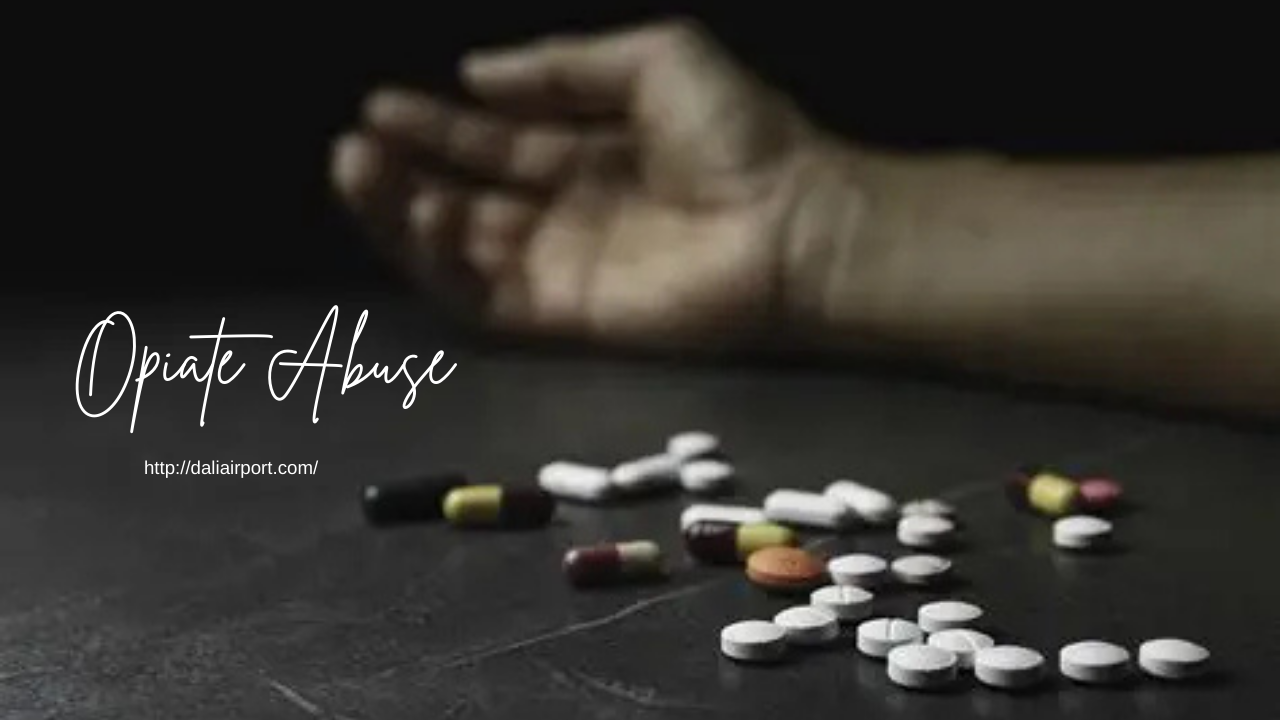
Opiate abuse has emerged as one of the most devastating public health crises of the 21st century. From prescription painkillers to heroin and synthetic opioids like fentanyl, millions of people worldwide are at risk of addiction, overdose, and even death. While the statistics are alarming, the human stories behind them are even more profound. Families are torn apart, communities struggle to respond, and individuals often suffer in silence. Understanding the scope of opiate abuse and the pathways to recovery is critical for saving lives and restoring hope.
Understanding Opiate Abuse
Opiates are powerful substances that relieve pain but also create intense euphoria and dependency. Prescription opioids such as oxycodone and hydrocodone were initially intended for short-term use under medical supervision. Unfortunately, prolonged use, even when prescribed responsibly, can lead to physical dependence and addiction. When access to prescription opioids becomes limited, some individuals turn to heroin or synthetic alternatives like fentanyl, which carry a significantly higher risk of overdose.
Opiate abuse does not discriminate. It affects people of all ages, backgrounds, and socioeconomic statuses. What begins as a medical necessity can quickly spiral into a life-threatening dependency if left unaddressed.
The Hidden Impact on Families and Communities
The consequences of opiate abuse extend far beyond the individual struggling with addiction. Families often experience emotional turmoil, financial strain, and disruption to daily life. Children may face neglect or trauma, and partners may shoulder the weight of caregiving under stressful circumstances. Communities feel the effects as well, with increased healthcare costs, strain on emergency services, and decreased productivity in workplaces.
Recognizing the broader impact of addiction is essential for creating solutions that support both the individual and the people around them.
Pathways to Recovery
Recovery from opiate abuse is possible with comprehensive, compassionate, and individualized care. Modern treatment approaches focus not just on detoxification but also on mental, emotional, and spiritual healing.
Inpatient and Outpatient Programs
Inpatient programs provide a structured and safe environment for detoxification and early recovery. They allow individuals to focus on healing without exposure to external triggers. Outpatient programs offer flexibility, combining therapy, counseling, and support groups while allowing clients to maintain work and family responsibilities. Both approaches are tailored to each person’s unique needs, providing a roadmap toward lasting recovery.
Holistic and Faith-Based Approaches
Addiction affects the whole person, which is why holistic and faith-based approaches are critical. Mindfulness practices, counseling, exercise, and nutrition help restore balance and promote well-being. Faith-based support can strengthen resilience, provide purpose, and help individuals reconnect with their values and community.
Addressing Co-Occurring Mental Health Conditions
Many individuals battling opiate abuse also struggle with mental health challenges such as depression, anxiety, or trauma. Integrated treatment that addresses both addiction and mental health improves outcomes, reduces relapse risk, and ensures that recovery is sustainable.
Taking Action
The first step toward recovery is often the hardest: acknowledging the problem and reaching out for help. Individuals and families affected by opiate abuse do not have to navigate this journey alone. Professional support, compassionate care, and tailored treatment programs offer a path to healing and hope.
Hope and Healing Are Within Reach
Opiate abuse is a deadly crisis, but it is not insurmountable. With holistic, individualized, and faith-based approaches, recovery is possible for anyone struggling with addiction. If you or a loved one is facing the challenges of opiate abuse, taking action today can save lives and transform futures. Reach out to a trusted treatment center to begin the journey toward health, stability, and lasting recovery.