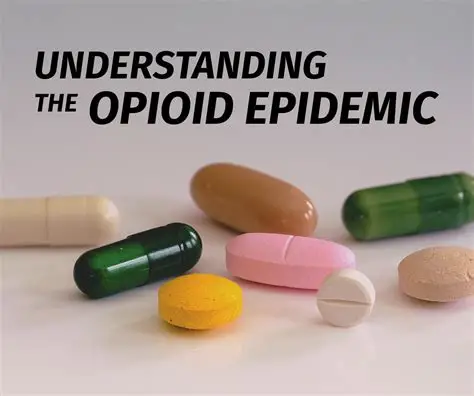
The opiate epidemic continues to impact millions of lives worldwide. Families are torn apart, communities face growing health and social challenges, and countless individuals struggle silently with addiction. While the statistics are sobering, hope is not lost. Through compassionate care, holistic treatment, and community support, recovery is possible, and lives can be restored. Understanding effective solutions to this epidemic is key to breaking the cycle of addiction and building healthier communities.
Understanding the Opiate Epidemic
Opiates, including prescription painkillers, heroin, and synthetic opioids such as fentanyl, are highly addictive substances. They alter brain chemistry, creating dependence and tolerance over time. Many individuals become addicted after being prescribed opioids for legitimate medical reasons. As tolerance grows, so does the risk of misuse, often leading to illicit drug use and overdose.
The epidemic affects people of all ages and backgrounds, and it does not discriminate based on socioeconomic status. Its consequences extend beyond the individual, affecting families, workplaces, and entire communities.
The Hidden Costs of Addiction
Addiction’s impact is felt across multiple layers of society. Families experience emotional distress, financial instability, and fractured relationships. Children may face neglect or trauma, and partners may struggle with the responsibility of caregiving. Communities are burdened with increased healthcare costs, law enforcement demands, and lost productivity. Addressing these consequences requires a multi-pronged approach that combines prevention, intervention, and recovery.
Solutions to the Crisis
While the opiate epidemic is formidable, several strategies have proven effective in reducing addiction and supporting recovery.
Accessible Treatment Programs
Access to professional treatment is essential. Inpatient programs provide a safe, structured environment for detox and early recovery, while outpatient programs allow individuals to maintain responsibilities while receiving therapy and support. Both types of programs are designed to address the physical, emotional, and psychological aspects of addiction.
Holistic and Faith-Based Approaches
Recovery is most effective when it addresses the whole person. Holistic therapies, including counseling, mindfulness practices, nutrition, and exercise, help restore balance and promote well-being. Faith-based approaches can also provide guidance, community, and spiritual support, offering individuals a sense of purpose and hope during their recovery journey.
Addressing Co-Occurring Mental Health Conditions
Many individuals struggling with opiate addiction also face mental health challenges such as anxiety, depression, or trauma. Integrated treatment that simultaneously addresses addiction and mental health improves outcomes and reduces the risk of relapse. Personalized care plans ensure that each individual receives the support they need to heal fully.
Community Education and Prevention
Education is a critical component of addressing the epidemic. Raising awareness about the risks of opioid use, recognizing the signs of addiction, and promoting safe prescribing practices can prevent new cases of dependency. Community programs that foster dialogue and reduce stigma encourage those struggling to seek help without fear of judgment.
Moving Forward with Hope
Despite the challenges, recovery is possible. Individuals, families, and communities can rebuild through evidence-based treatment, holistic care, and ongoing support. Each step toward recovery—whether seeking professional help, engaging in therapy, or accessing community resources—represents progress and hope.
Take the First Step Toward Recovery
The opiate epidemic may be widespread, but solutions exist, and hope is within reach. If you or a loved one is struggling with opiate addiction, reaching out for help is the most important step you can take. Professional, individualized, and compassionate care can guide you toward healing, restore your well-being, and provide a foundation for a healthier future. Recovery is not only possible—it is achievable with the right support, tools, and commitment.