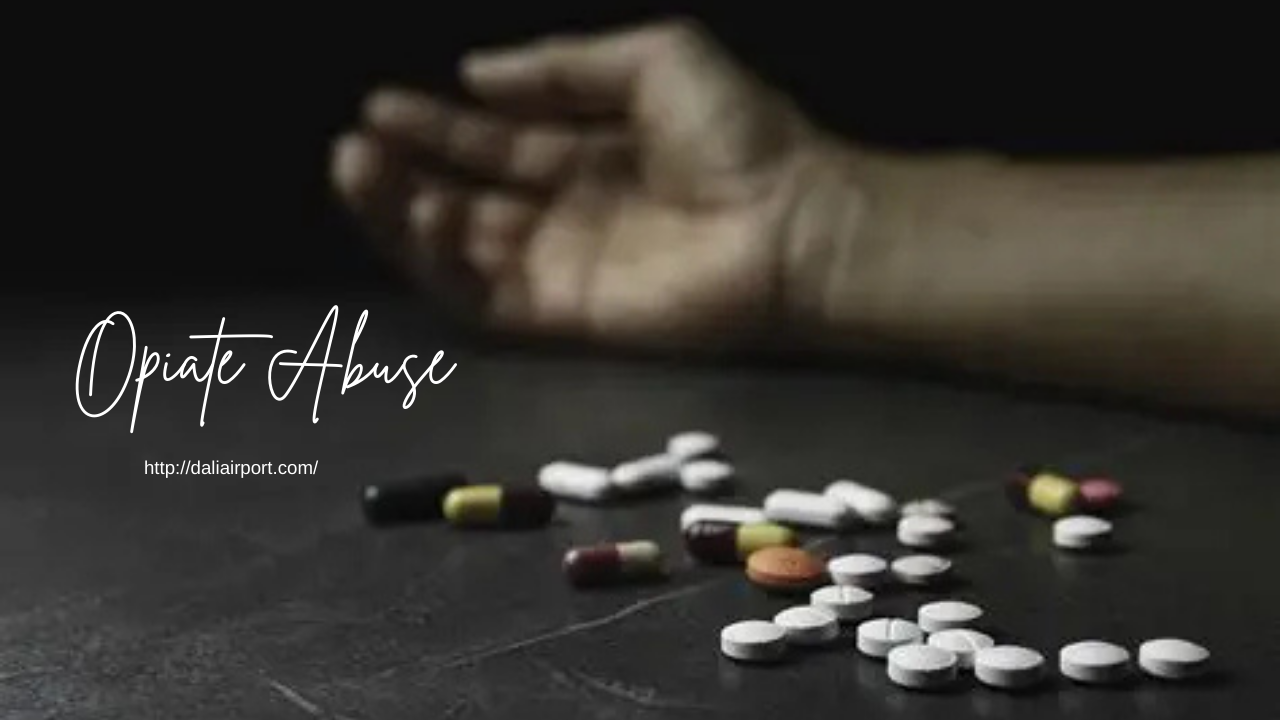
Prescription painkillers have provided relief to millions, helping people manage chronic pain, recover from surgery, or cope with injury. However, for some, these medications can slowly lead to dependence and addiction, quietly changing lives and relationships. At Dali Airport Recovery Center, we understand the complexity of prescription painkiller dependence. Our mission is to provide compassionate, individualized care that addresses the physical, emotional, and spiritual aspects of recovery, helping clients regain control and rebuild their lives.
Understanding Prescription Painkiller Dependence
Prescription opioids, including oxycodone, hydrocodone, and morphine, are highly effective at relieving pain but also carry a high risk of dependence. Dependence occurs when the body adapts to the medication and requires it to function normally. Over time, tolerance develops, prompting higher doses to achieve the same level of relief.
Why Dependence Develops
Dependence often develops gradually, and many people may not recognize the warning signs. For some, the medication starts as a legitimate medical treatment, but the calming or euphoric effects can lead to repeated use beyond what was prescribed. Emotional factors, such as stress, anxiety, or trauma, can also contribute to reliance on painkillers as a coping mechanism.
Recognizing the Signs of Dependence
Early recognition of prescription painkiller dependence is crucial. Some warning signs include:
- Taking higher doses than prescribed
- Feeling anxious or irritable when not using the medication
- Using painkillers to manage emotional distress rather than physical pain
- Hiding medication use from family or friends
Understanding these signs can encourage timely intervention and reduce the risk of long-term addiction.
The Emotional and Mental Health Connection
Many individuals struggling with painkiller dependence also face mental health challenges such as depression, anxiety, or unresolved trauma. Treating addiction without addressing these underlying issues can increase the risk of relapse. At Dali Airport Recovery Center, integrated care ensures that mental health treatment and addiction recovery go hand in hand, providing a holistic path to healing.
Comprehensive Approaches to Recovery
Breaking free from prescription painkiller dependence requires more than just stopping medication. Recovery is a multifaceted process that involves healing the body, mind, and spirit.
Detox and Medical Support
Safe detoxification is the first step in recovery. Our medical team supervises withdrawal to ensure safety and comfort, reducing physical symptoms and providing emotional support during this critical phase.
Inpatient and Outpatient Programs
Our center offers flexible care options. Inpatient programs provide structured, immersive treatment, while outpatient programs allow clients to receive therapy and support while maintaining daily responsibilities. Both approaches are tailored to individual needs.
Holistic and Faith-Based Therapies
Holistic therapies, including mindfulness, nutrition, exercise, and wellness practices, help restore balance and promote overall well-being. Faith-based support offers spiritual guidance, community, and purpose, which can be essential elements in long-term recovery.
Aftercare and Ongoing Support
Sustainable recovery requires ongoing support. Our aftercare programs focus on relapse prevention, coping strategies, and continued mental health care, ensuring that clients have the tools to maintain long-term sobriety.
Reclaiming Life from Dependence
Prescription painkiller dependence can feel isolating and overwhelming, but recovery is possible. With compassionate, individualized care, individuals can break free from the cycle of dependence and rebuild their lives with purpose, clarity, and confidence.
At Dali Airport Recovery Center, we are committed to guiding each client through every step of the recovery journey. If you or a loved one is struggling with prescription painkiller dependence, reaching out for help today is the first step toward lasting healing. Recovery begins with one choice, and hope is closer than you think.