When Healing Hurts: How Prescription Painkillers Sparked a Global Addiction Crisis

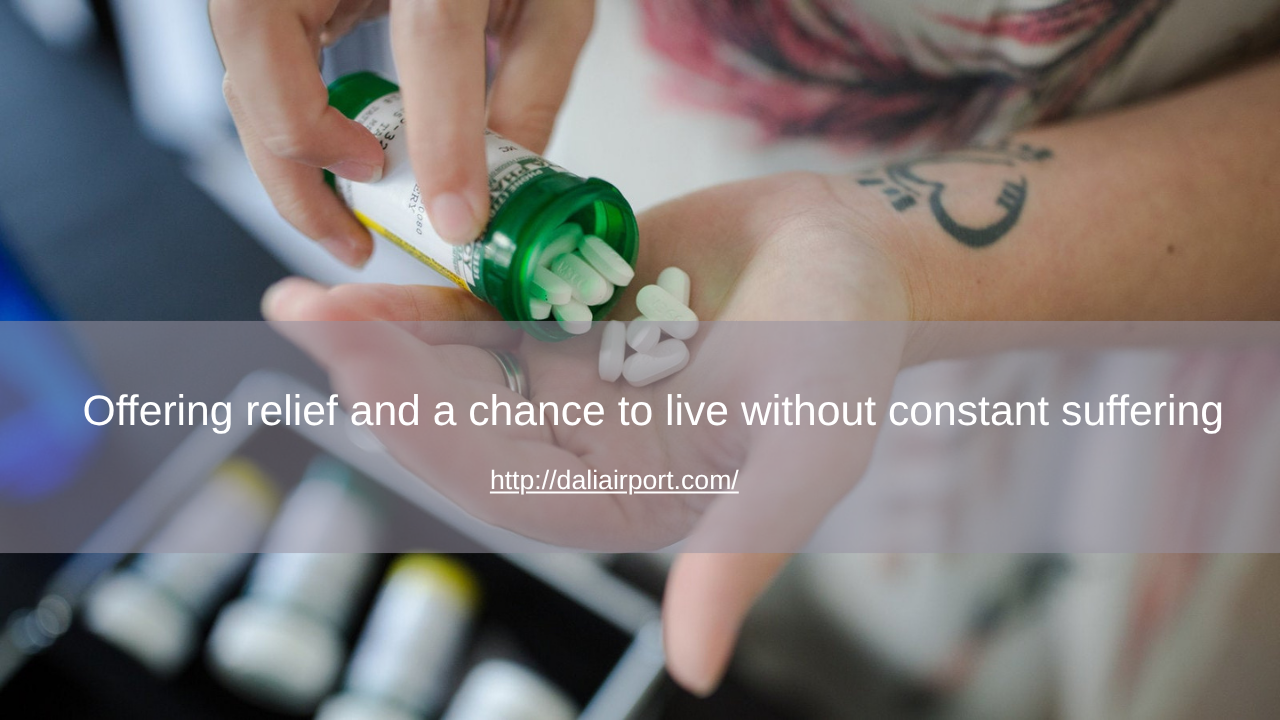
Prescription painkillers were once seen as a miracle solution for chronic pain, offering relief and a chance to live without constant suffering. However, what began as a medical breakthrough has grown into one of the most devastating addiction crises of our time. Across the globe, millions of people have found themselves trapped in the dangerous cycle of opioid dependence, often beginning with a legitimate prescription. At Dali Airport Recovery Center, we understand how easily the line between healing and harm can blur—and we are committed to helping individuals reclaim their lives through compassionate, evidence-based recovery care.


Understanding the Rise of Prescription Painkiller Addiction

In the late 1990s, prescription opioids like oxycodone and hydrocodone became widely used for managing pain. Pharmaceutical companies assured doctors that these medications were safe and non-addictive when taken as prescribed. Unfortunately, these claims proved false. As prescriptions increased, so did misuse, dependency, and ultimately, overdose deaths.

The body quickly builds tolerance to opioids, requiring higher doses to achieve the same relief. For many patients, this progression from pain management to addiction happens gradually and often without awareness. What begins as a doctor’s recommendation can evolve into a daily struggle for control.


The Hidden Dangers Behind the Prescription

The danger of prescription opioids lies in their powerful impact on the brain’s reward system. Opioids produce feelings of relaxation and euphoria, which can make them psychologically as well as physically addictive. When someone tries to stop using them, withdrawal symptoms such as anxiety, muscle pain, nausea, and insomnia can make quitting extremely difficult without professional help.

Even more alarming is the growing presence of synthetic opioids like fentanyl in the drug supply. Fentanyl is up to 50 times more potent than heroin and has contributed to a sharp increase in overdose deaths worldwide. In many cases, individuals do not realize their prescription drugs or street-purchased pills contain fentanyl, making every use potentially fatal.


Breaking the Cycle: How Treatment Can Help

Recovery from prescription painkiller addiction is possible with the right support. At Dali Airport Recovery Center, treatment begins with understanding each client’s unique story. Addiction does not happen in isolation—it is often connected to emotional pain, trauma, or mental health struggles. That is why our programs combine medical detox, mental health counseling, and holistic therapies that heal the mind, body, and spirit.

Inpatient and outpatient treatment options allow clients to receive care that fits their needs and lifestyle. Our faith-based and holistic approaches provide not just symptom management but deep personal transformation. From evidence-based therapies to spiritual renewal and family support, we help clients build a foundation for lasting recovery.


The Power of Awareness and Prevention

Education is one of the strongest tools against the opioid epidemic. By understanding how prescription addiction begins, individuals and families can recognize the warning signs early and seek help before the problem escalates. Open conversations about mental health, pain management, and medication safety are vital steps in protecting future generations.

If you or someone you love is struggling with prescription drug dependence, it is important to remember that asking for help is not a sign of weakness—it is a sign of courage. Professional treatment can make the difference between living in the shadow of addiction and finding the freedom to heal.


Healing Beyond the Prescription

The story of prescription painkiller addiction is not only one of tragedy—it is also one of hope. Every day, people are breaking free from the cycle of dependency and rediscovering their strength through compassionate, personalized treatment. At Dali Airport Recovery Center, we believe recovery is possible for everyone, no matter how far addiction has progressed.

If you or someone you care about is ready to begin the journey to recovery, reach out today. Healing starts with one decision, and we are here to guide you every step of the way.

Hope Amidst the Crisis: Solutions to the Growing Opiate Epidemic

The opiate epidemic continues to impact millions of lives worldwide. Families are torn apart, communities face growing health and social challenges, and countless individuals struggle silently with addiction. While the statistics are sobering, hope is not lost. Through compassionate care, holistic treatment, and community support, recovery is possible, and lives can be restored. Understanding effective solutions to this epidemic is key to breaking the cycle of addiction and building healthier communities.

Understanding the Opiate Epidemic

Opiates, including prescription painkillers, heroin, and synthetic opioids such as fentanyl, are highly addictive substances. They alter brain chemistry, creating dependence and tolerance over time. Many individuals become addicted after being prescribed opioids for legitimate medical reasons. As tolerance grows, so does the risk of misuse, often leading to illicit drug use and overdose.

The epidemic affects people of all ages and backgrounds, and it does not discriminate based on socioeconomic status. Its consequences extend beyond the individual, affecting families, workplaces, and entire communities.

The Hidden Costs of Addiction

Addiction’s impact is felt across multiple layers of society. Families experience emotional distress, financial instability, and fractured relationships. Children may face neglect or trauma, and partners may struggle with the responsibility of caregiving. Communities are burdened with increased healthcare costs, law enforcement demands, and lost productivity. Addressing these consequences requires a multi-pronged approach that combines prevention, intervention, and recovery.

Solutions to the Crisis

While the opiate epidemic is formidable, several strategies have proven effective in reducing addiction and supporting recovery.

Accessible Treatment Programs

Access to professional treatment is essential. Inpatient programs provide a safe, structured environment for detox and early recovery, while outpatient programs allow individuals to maintain responsibilities while receiving therapy and support. Both types of programs are designed to address the physical, emotional, and psychological aspects of addiction.

Holistic and Faith-Based Approaches

Recovery is most effective when it addresses the whole person. Holistic therapies, including counseling, mindfulness practices, nutrition, and exercise, help restore balance and promote well-being. Faith-based approaches can also provide guidance, community, and spiritual support, offering individuals a sense of purpose and hope during their recovery journey.

Addressing Co-Occurring Mental Health Conditions

Many individuals struggling with opiate addiction also face mental health challenges such as anxiety, depression, or trauma. Integrated treatment that simultaneously addresses addiction and mental health improves outcomes and reduces the risk of relapse. Personalized care plans ensure that each individual receives the support they need to heal fully.

Community Education and Prevention

Education is a critical component of addressing the epidemic. Raising awareness about the risks of opioid use, recognizing the signs of addiction, and promoting safe prescribing practices can prevent new cases of dependency. Community programs that foster dialogue and reduce stigma encourage those struggling to seek help without fear of judgment.

Moving Forward with Hope

Despite the challenges, recovery is possible. Individuals, families, and communities can rebuild through evidence-based treatment, holistic care, and ongoing support. Each step toward recovery—whether seeking professional help, engaging in therapy, or accessing community resources—represents progress and hope.

Take the First Step Toward Recovery

The opiate epidemic may be widespread, but solutions exist, and hope is within reach. If you or a loved one is struggling with opiate addiction, reaching out for help is the most important step you can take. Professional, individualized, and compassionate care can guide you toward healing, restore your well-being, and provide a foundation for a healthier future. Recovery is not only possible—it is achievable with the right support, tools, and commitment.

The Fentanyl Factor: How Synthetic Opioids Are Driving a New Wave of Deaths

Across the world, a new and deadly force is fueling the opioid crisis. Fentanyl, a synthetic opioid up to 50 times stronger than heroin and 100 times stronger than morphine, has become the leading cause of overdose deaths in recent years. Its potency, combined with its widespread availability, has made fentanyl one of the most dangerous substances in circulation today. Understanding how fentanyl works, why it is so lethal, and what can be done to combat this crisis is vital for saving lives and supporting recovery.

What Is Fentanyl and Why Is It So Dangerous?

Fentanyl was originally developed for medical use as a powerful pain reliever, prescribed for patients with severe pain, especially those recovering from surgery or battling chronic conditions. When used under medical supervision, it can be safe and effective. The problem arises when fentanyl is produced illegally and mixed into other drugs like heroin, cocaine, or counterfeit pills without the user’s knowledge.

Even a small amount of fentanyl can be fatal. Because it is odorless and tasteless, users often have no idea they are consuming it. A dose as tiny as two milligrams can cause respiratory failure, leading to death within minutes. This unpredictability has made fentanyl the driving force behind the surge in overdose deaths worldwide.

The Growing Presence of Synthetic Opioids

The rise of fentanyl represents a shift in the drug landscape. Traditional opioids such as heroin and prescription painkillers have now been largely replaced by cheaper, more potent synthetic alternatives. Drug manufacturers and traffickers turn to fentanyl because it is easier to produce and transport. Unfortunately, this means that even individuals who believe they are using a less potent drug may unknowingly be putting their lives at risk.

The Impact on Families and Communities

The fentanyl crisis does not only affect individuals; it ripples through families, workplaces, and entire communities. Parents lose children, children lose parents, and families are left devastated by preventable tragedy. The emotional toll is immense, and the stigma surrounding addiction often keeps people from seeking help before it is too late.

Communities face increasing pressure on emergency services, healthcare systems, and mental health resources. Each overdose represents not just a statistic, but a life that could have been saved through awareness, intervention, and accessible treatment.

Pathways to Healing: How Treatment Can Save Lives

Although the fentanyl crisis is alarming, recovery is possible. With professional, compassionate care, individuals struggling with addiction can rebuild their lives and find lasting freedom.

Inpatient and Outpatient Treatment Options

Inpatient treatment provides a safe, structured environment where clients can undergo detoxification and begin recovery with constant medical and emotional support. Outpatient programs offer flexibility, combining counseling, group therapy, and education for those who need to balance treatment with work or family responsibilities. Both approaches are customized to meet each person’s unique situation and level of need.

Holistic and Faith-Based Recovery

Addiction affects the body, mind, and spirit. Holistic programs integrate physical wellness, mindfulness, and emotional healing to support full recovery. Faith-based approaches can also play a vital role, offering spiritual guidance and helping individuals find hope, meaning, and purpose in their healing journey.

Addressing Co-Occurring Disorders

Many individuals affected by fentanyl addiction also experience mental health conditions such as depression, anxiety, or trauma. Integrated treatment that addresses both addiction and mental health ensures more sustainable recovery and reduces the risk of relapse. Healing must go beyond stopping drug use—it must involve restoring balance to every area of life.

Breaking the Cycle: Awareness and Action

The key to reversing the fentanyl epidemic is awareness, prevention, and compassionate care. Education about the dangers of fentanyl can save lives, while removing stigma encourages more people to reach out for help. Families and communities must work together to promote recovery, provide support, and make treatment accessible to all.

Hope Beyond the Crisis

The fentanyl crisis is one of the greatest challenges of our time, but it is not without hope. With individualized treatment, holistic care, and a supportive community, recovery is possible for anyone. If you or someone you love is struggling with fentanyl or opioid addiction, now is the time to reach out for help. Healing begins with a single step—one that leads toward recovery, peace, and a renewed sense of purpose.

The Opioid Trap: Understanding the Cycle of Addiction and Overdose

The opioid epidemic has become one of the most pressing health crises of our time, claiming lives and devastating families across the globe. What often begins as a prescribed medication for pain management can quickly spiral into a cycle of dependence, addiction, and in far too many cases, overdose. To break free from this trap, it is important to understand how the cycle works and why professional, holistic, and compassionate treatment is essential for recovery.

How the Cycle of Opioid Addiction Begins

Opioids such as oxycodone, hydrocodone, heroin, and fentanyl act on the brain’s reward system, producing powerful feelings of relief and euphoria. While effective at reducing pain, they also create changes in brain chemistry that make dependence highly likely.

For many, the cycle begins with a legitimate prescription following surgery or injury. Over time, tolerance develops, meaning higher doses are required to achieve the same effect. This leads to dependence, where the body and mind feel unable to function without the substance. Once addiction sets in, the risk of overdose becomes dangerously high.

The Role of Tolerance and Dependence

Tolerance and dependence are central to the opioid trap. As tolerance increases, individuals may take more than prescribed or turn to illicit substances like heroin or fentanyl when prescriptions run out. This shift raises the likelihood of accidental overdose, especially with synthetic opioids that are far stronger than traditional painkillers.

The Overdose Crisis

Overdose is one of the most tragic outcomes of opioid addiction, and unfortunately, it is on the rise. Synthetic opioids like fentanyl are particularly deadly, as even small amounts can shut down breathing and cause death within minutes. Emergency responders often rely on naloxone to reverse overdoses, but timely access is not always possible.

Every overdose is a stark reminder that addiction is not a matter of willpower or moral failure. It is a chronic medical condition that requires urgent and compassionate treatment.

Pathways to Breaking the Cycle

Recovery is possible, but it requires a comprehensive and individualized approach. Breaking free from the opioid trap involves more than detox. It requires addressing the root causes of addiction and providing the tools needed for long-term healing.

Inpatient and Outpatient Programs

Inpatient care offers a structured environment where individuals can safely detox and begin recovery without exposure to outside triggers. Outpatient programs provide flexibility, allowing clients to attend therapy and counseling while continuing with daily responsibilities. Both options emphasize personalized care tailored to each person’s journey.

Holistic and Faith-Based Healing

Addiction impacts every area of life, which is why holistic approaches are so effective. Incorporating practices such as mindfulness, physical wellness, counseling, and nutrition helps restore balance and strengthen resilience. Faith-based support adds another layer of healing by offering spiritual guidance and purpose throughout recovery.

Addressing Co-Occurring Disorders

Mental health challenges like depression, anxiety, and trauma often fuel the cycle of opioid addiction. Treating both addiction and co-occurring conditions at the same time significantly improves recovery outcomes. An integrated approach ensures that individuals receive the full support they need to heal.

Breaking the Silence in Our Communities

The opioid crisis thrives in silence and stigma. When families and communities open conversations about addiction and recovery, they reduce shame and encourage more people to seek help. Early intervention saves lives, while community support creates a foundation for lasting recovery.

Freedom from the Opioid Trap Is Possible

The opioid trap may feel overwhelming, but no one has to face it alone. With compassionate care, holistic healing, and individualized treatment, recovery is within reach. If you or someone you love is struggling with opioid addiction, now is the time to take the first step toward healing. Reaching out for help is not a sign of weakness. It is the first step toward reclaiming life, health, and hope.

The Deadly Toll of Opiate Abuse: Why Millions Are at Risk

Opiate abuse has emerged as one of the most devastating public health crises of the 21st century. From prescription painkillers to heroin and synthetic opioids like fentanyl, millions of people worldwide are at risk of addiction, overdose, and even death. While the statistics are alarming, the human stories behind them are even more profound. Families are torn apart, communities struggle to respond, and individuals often suffer in silence. Understanding the scope of opiate abuse and the pathways to recovery is critical for saving lives and restoring hope.

Understanding Opiate Abuse

Opiates are powerful substances that relieve pain but also create intense euphoria and dependency. Prescription opioids such as oxycodone and hydrocodone were initially intended for short-term use under medical supervision. Unfortunately, prolonged use, even when prescribed responsibly, can lead to physical dependence and addiction. When access to prescription opioids becomes limited, some individuals turn to heroin or synthetic alternatives like fentanyl, which carry a significantly higher risk of overdose.

Opiate abuse does not discriminate. It affects people of all ages, backgrounds, and socioeconomic statuses. What begins as a medical necessity can quickly spiral into a life-threatening dependency if left unaddressed.

The Hidden Impact on Families and Communities

The consequences of opiate abuse extend far beyond the individual struggling with addiction. Families often experience emotional turmoil, financial strain, and disruption to daily life. Children may face neglect or trauma, and partners may shoulder the weight of caregiving under stressful circumstances. Communities feel the effects as well, with increased healthcare costs, strain on emergency services, and decreased productivity in workplaces.

Recognizing the broader impact of addiction is essential for creating solutions that support both the individual and the people around them.

Pathways to Recovery

Recovery from opiate abuse is possible with comprehensive, compassionate, and individualized care. Modern treatment approaches focus not just on detoxification but also on mental, emotional, and spiritual healing.

Inpatient and Outpatient Programs

Inpatient programs provide a structured and safe environment for detoxification and early recovery. They allow individuals to focus on healing without exposure to external triggers. Outpatient programs offer flexibility, combining therapy, counseling, and support groups while allowing clients to maintain work and family responsibilities. Both approaches are tailored to each person’s unique needs, providing a roadmap toward lasting recovery.

Holistic and Faith-Based Approaches

Addiction affects the whole person, which is why holistic and faith-based approaches are critical. Mindfulness practices, counseling, exercise, and nutrition help restore balance and promote well-being. Faith-based support can strengthen resilience, provide purpose, and help individuals reconnect with their values and community.

Addressing Co-Occurring Mental Health Conditions

Many individuals battling opiate abuse also struggle with mental health challenges such as depression, anxiety, or trauma. Integrated treatment that addresses both addiction and mental health improves outcomes, reduces relapse risk, and ensures that recovery is sustainable.

Taking Action

The first step toward recovery is often the hardest: acknowledging the problem and reaching out for help. Individuals and families affected by opiate abuse do not have to navigate this journey alone. Professional support, compassionate care, and tailored treatment programs offer a path to healing and hope.

Hope and Healing Are Within Reach

Opiate abuse is a deadly crisis, but it is not insurmountable. With holistic, individualized, and faith-based approaches, recovery is possible for anyone struggling with addiction. If you or a loved one is facing the challenges of opiate abuse, taking action today can save lives and transform futures. Reach out to a trusted treatment center to begin the journey toward health, stability, and lasting recovery.

Breaking the Silence: Confronting the Opiate Crisis in Our Communities

Opiate addiction is one of the most urgent public health challenges facing our communities today. Families, workplaces, and neighborhoods are affected by the rising number of individuals struggling with prescription painkillers, heroin, and synthetic opioids. Despite its widespread impact, stigma and misunderstanding often keep this crisis hidden, leaving countless people to suffer in silence. Addressing this epidemic requires compassionate, evidence-based approaches that focus on the individual while also strengthening the community as a whole.

Understanding the Scope of the Opiate Crisis

Opiates, which include prescription medications like oxycodone and hydrocodone as well as illegal substances such as heroin and fentanyl, create powerful physical and psychological dependence. Over time, misuse can escalate into addiction, putting individuals at risk for health complications, overdose, and social consequences.

Communities across the country are seeing an alarming rise in overdose deaths, which highlights the urgent need for intervention. Addiction does not discriminate; it affects people of all ages, backgrounds, and socioeconomic status. Yet, the silence surrounding the epidemic often prevents those in need from seeking help, perpetuating a cycle of isolation, shame, and continued substance use.

The Hidden Impact on Families and Communities

The consequences of opiate addiction extend far beyond the individual. Families experience emotional distress, financial strain, and fractured relationships. Children may suffer from neglect or trauma, while workplaces face reduced productivity and increased absenteeism. Communities are challenged with the financial burden of healthcare, law enforcement, and social services.

Recognizing the broader impact of addiction is essential for building solutions that benefit both the individual and those around them. Compassionate intervention is not just about saving lives—it is about restoring stability to families and communities.

Pathways to Recovery

Recovery from opiate addiction is possible with comprehensive, individualized care. Treatment programs that combine mental health support, holistic therapies, and faith-based guidance provide a strong foundation for long-term healing.

Inpatient and Outpatient Care

Inpatient care offers a structured and supervised environment for individuals who need intensive support during detox and the early stages of recovery. Outpatient programs provide flexibility, allowing clients to engage in therapy, counseling, and support groups while maintaining daily responsibilities. Both options emphasize safety, accountability, and personalized treatment plans.

Holistic and Faith-Based Approaches

Addiction affects the whole person, and effective recovery addresses physical, emotional, and spiritual well-being. Holistic strategies, including counseling, mindfulness practices, exercise, and nutrition, help individuals rebuild their lives. Faith-based support can provide additional motivation and a sense of purpose, fostering hope and resilience.

Addressing Co-Occurring Mental Health Conditions

Many individuals struggling with opiate addiction also face mental health challenges such as anxiety, depression, or trauma. Integrated treatment plans that address both addiction and co-occurring disorders improve outcomes and reduce the risk of relapse. Tailored therapy and professional guidance ensure that each client receives care that is relevant to their unique needs.

Breaking the Silence

The first step in confronting the opiate crisis is breaking the silence. Open conversations, community education, and supportive environments reduce stigma and encourage those struggling to seek help. Early intervention saves lives and strengthens the social fabric of our communities.

Take the First Step Toward Healing

The opiate epidemic may be widespread, but recovery is within reach. Individuals and families can overcome addiction through compassionate, professional, and personalized care. If you or someone you love is facing opiate addiction, reaching out to a trusted treatment center is the first step toward reclaiming life, health, and hope. Communities heal when we support one another, provide access to treatment, and confront addiction with understanding and expertise.

Opiate Overdose Deaths on the Rise: A Public Health Emergency

The opioid epidemic has become one of the most pressing health crises of our time. Every day, thousands of families lose loved ones to overdose, and millions more struggle silently with the devastating effects of addiction. What was once thought of as an individual issue has now reached global proportions, impacting communities, workplaces, and entire healthcare systems. Understanding the roots of this epidemic and taking action toward recovery is critical to saving lives and restoring hope.

The Alarming Rise in Opiate Overdoses

Opiates, including prescription painkillers, heroin, and synthetic opioids like fentanyl, have claimed countless lives over the past two decades. According to public health data, overdose deaths have continued to rise at an alarming rate, with fentanyl being one of the most significant drivers of this trend. Its extreme potency makes it particularly dangerous, often leading to fatal overdoses even in small amounts.

The stigma surrounding addiction often prevents individuals from seeking help, but the reality is that anyone prescribed opioids or exposed to them recreationally is at risk. This crisis is not limited to one demographic; it cuts across age, gender, and socioeconomic lines.

The Ripple Effect on Families and Communities

Behind every overdose statistic is a story of loss, trauma, and broken connections. Families often face the hidden burden of worry, financial stress, and emotional pain as they watch a loved one struggle. Children may experience neglect or instability, while communities bear the cost through increased healthcare expenses, strained emergency services, and reduced workplace productivity.

Addiction does not happen in isolation. Its ripple effects reach into relationships, schools, workplaces, and neighborhoods, creating a cycle of suffering that can span generations if left unaddressed.

Why Compassionate Treatment Matters

One of the greatest challenges in addressing the opioid epidemic is ensuring that those who need help can access effective, personalized treatment. Recovery is not simply about detoxing the body. True healing requires addressing the emotional, mental, and even spiritual wounds that often underlie addiction.

Inpatient and Outpatient Programs

Structured inpatient care allows individuals to safely withdraw from substances in a supportive environment, away from triggers and harmful influences. Outpatient programs provide flexibility, enabling clients to receive therapy and guidance while maintaining responsibilities at work or home.

Holistic and Faith-Based Healing

Addiction impacts the whole person, which is why holistic and faith-based approaches are so powerful. Practices such as mindfulness, counseling, nutrition, and spiritual guidance help restore balance and provide individuals with the tools they need to build lasting recovery.

Addressing Co-Occurring Disorders

Many people struggling with opiate addiction also face mental health challenges like depression, anxiety, or trauma. Treating these co-occurring disorders alongside addiction increases the likelihood of long-term success and reduces the risk of relapse.

Moving Toward Hope and Recovery

While the rise in opiate overdose deaths is a public health emergency, there is also hope. Recovery is possible when individuals receive care that is compassionate, evidence-based, and tailored to their unique needs. Families can heal, communities can rebuild, and lives can be restored through treatment that focuses on the whole person.

Conclusion: Take the First Step Today

The opioid epidemic has taken far too many lives, but it does not have to take yours or someone you love. If you or a family member is struggling with opiate addiction, reaching out for help is the most important step you can take. With professional support, holistic healing, and individualized care, recovery is possible. No one has to fight this battle alone. The time to act is now—because every life is worth saving.

From Prescription to Addiction: How Painkillers Fueled a Global Epidemic

The rise of prescription painkillers has had unintended and devastating consequences. What began as a medical solution for chronic and acute pain has grown into a global addiction crisis affecting millions of individuals and families. Understanding the pathway from prescription use to dependency is essential for preventing addiction and supporting recovery. If you or a loved one is struggling, professional, compassionate care that addresses the whole person can make the difference between ongoing struggle and lasting healing.

How Prescription Painkillers Became a Public Health Concern

Prescription opioids such as oxycodone, hydrocodone, and morphine were initially prescribed to manage pain following surgery, injury, or chronic illness. When used correctly, these medications can be effective and safe. However, their potent effects on the brain also make them highly addictive. Many patients, prescribed these medications for legitimate reasons, developed tolerance over time, requiring higher doses to achieve the same effect. This process often led to dependency and, in some cases, the transition to illicit drugs such as heroin or fentanyl when prescriptions became unavailable or too costly.

The Hidden Toll of Addiction

Prescription painkiller addiction is not just a medical issue; it is a social and emotional crisis. Individuals struggling with dependency may experience physical and psychological withdrawal, financial strain, and relationship conflicts. Families are often the unseen victims, facing emotional trauma, instability, and caregiving challenges. Communities also feel the impact, as addiction contributes to lost productivity, increased healthcare costs, and strain on social support systems.

Co-Occurring Mental Health Challenges

Addiction rarely exists in isolation. Many individuals develop co-occurring mental health disorders, including anxiety, depression, and trauma-related conditions. Effective recovery addresses both addiction and mental health, providing a holistic approach that considers the full spectrum of an individual’s needs. Without integrated care, relapse is more likely, and long-term healing becomes harder to achieve.

Pathways to Recovery

Recovery from prescription painkiller addiction requires comprehensive, individualized care. Treatment programs that combine inpatient and outpatient care offer structured support for detoxification, therapy, and ongoing recovery planning. Holistic approaches, which may include counseling, mindfulness, and faith-based support, address the physical, emotional, and spiritual aspects of healing.

Inpatient Care

Inpatient care provides a safe and supervised environment for detox and early recovery. It allows individuals to focus entirely on healing, removing them from triggers and environments that may reinforce substance use.

Outpatient Programs

Outpatient programs offer flexibility for individuals who need ongoing support while maintaining daily responsibilities such as work or family care. These programs often combine therapy, group support, and relapse prevention strategies.

Breaking the Cycle

Preventing prescription painkiller addiction starts with awareness and education. Understanding the risks, following prescribed dosages carefully, and seeking help at the first signs of dependency can save lives. Support from family, community, and professionals is essential for breaking the cycle of addiction and achieving lasting recovery.

Conclusion

The journey from prescription use to addiction is one that millions of people face, often quietly and in isolation. However, with compassionate, individualized care that integrates mental health support, holistic approaches, and faith-based guidance, recovery is possible. If you or a loved one is struggling with prescription painkiller addiction, reaching out for professional help today can be the first step toward reclaiming life, health, and hope.

Behind Closed Doors: The Silent Struggle with Opiate Addiction

Opiate addiction is a hidden crisis affecting millions worldwide. Behind closed doors, individuals wrestle with a powerful dependence that disrupts every aspect of their lives. Yet, the silence surrounding this struggle often leaves those suffering isolated and misunderstood. Recognizing the reality of opiate addiction and offering compassionate, individualized support is crucial for healing and recovery. If you or a loved one is battling addiction, know that help is available through professional, holistic, and faith-based care designed to restore hope and transform lives.

Understanding the Silent Struggle of Opiate Addiction

Opiates, including prescription painkillers and heroin, create a physical and psychological dependence that can develop rapidly. The secrecy often stems from shame, fear of judgment, or misunderstanding about addiction as a disease. This silence can make it harder for individuals to reach out for help or even admit the severity of their situation. Addiction is not a choice or moral failing; it is a complex health condition that requires comprehensive treatment addressing both the mind and body.

Opiate addiction also frequently co-occurs with mental health challenges such as anxiety, depression, or trauma-related disorders. Addressing these dual concerns is essential for lasting recovery. Without treatment tailored to the whole person, including mental health care, relapse is more likely.

Holistic and Personalized Approaches to Recovery

Successful recovery from opiate addiction goes beyond detoxification and abstinence. It requires healing on multiple levels—physical, emotional, psychological, and spiritual. That is why individualized care plans and holistic treatment options are critical.

Inpatient and Outpatient Care Options

Inpatient care provides a structured, supportive environment for those needing intensive medical supervision and therapy during detox and early recovery. This setting allows clients to focus fully on healing without outside distractions or triggers.

Outpatient programs offer flexibility for individuals who require ongoing support while maintaining daily responsibilities such as work or family. These programs often include counseling, group therapy, and relapse prevention education.

Faith-Based and Compassionate Support

Many find strength and purpose through faith-based recovery programs that integrate spiritual growth with evidence-based therapies. Compassionate care providers recognize the importance of meeting clients where they are, respecting personal beliefs, and fostering a nurturing community.

Breaking the Silence: Seeking Help and Moving Forward

The first step toward overcoming opiate addiction is often the hardest: acknowledging the problem and reaching out for support. Whether you are the individual struggling or a concerned loved one, seeking professional help is an act of courage and hope.

Modern addiction recovery centers offer more than just treatment—they provide education, coping skills, and ongoing support tailored to each person’s unique journey. Healing is possible, and recovery is within reach.

Conclusion

The silent struggle with opiate addiction need not continue behind closed doors. Compassionate, individualized care that addresses the full spectrum of addiction and mental health challenges offers a path to lasting healing. If you or someone you love is facing this battle, take the first step today. Reach out to a trusted addiction recovery center that values holistic, faith-based, and professional care. Recovery is not just about quitting drugs—it’s about reclaiming your life.

Fentanyl and the Opioid Epidemic: Why Overdoses Are Skyrocketing

In recent years, the opioid epidemic has taken a deadly turn with the rapid spread of fentanyl—a synthetic opioid that is now the leading cause of overdose deaths in many countries, especially the United States and Canada. While opioids like heroin and prescription painkillers have long been part of the addiction crisis, fentanyl’s extraordinary potency and widespread availability have made it a primary driver of the skyrocketing overdose rates seen today.

What Is Fentanyl?

Fentanyl is a synthetic opioid developed for medical use, primarily for severe pain management in patients undergoing surgery or dealing with chronic conditions like cancer. Medically prescribed fentanyl is highly regulated and effective when used correctly. However, illicitly manufactured fentanyl has flooded the black market, often mixed with heroin, cocaine, or counterfeit pills—usually without the user’s knowledge.

Just two milligrams of fentanyl—an amount smaller than a grain of salt—can be fatal. Its extreme potency makes accidental overdose incredibly easy, particularly for individuals who are unaware they are consuming it.

The Rise in Overdose Deaths

According to public health officials, fentanyl is now involved in the majority of opioid-related deaths. Unlike other opioids, which might allow more time for intervention, fentanyl acts quickly—shutting down breathing within minutes. Emergency responders often find that one dose of naloxone (Narcan), the overdose reversal drug, is not enough to counteract fentanyl’s effects.

The rise in fentanyl-related overdoses is also linked to the unpredictable nature of the drug supply. Many users purchase what they believe are prescription pills or heroin, only to unknowingly consume fentanyl or a fentanyl-laced product. This element of surprise significantly increases the risk of death, even among seasoned drug users.

Why Is Fentanyl So Prevalent?

Illicit fentanyl is cheaper and easier to produce than heroin, making it highly profitable for drug traffickers. It can be manufactured in clandestine labs with raw materials imported from overseas, particularly from China and Mexico. Its compact form allows traffickers to ship it in small, easy-to-conceal quantities that are still extremely potent.

The result is a drug that’s not only deadly but also incredibly difficult to keep out of circulation.

Combating the Crisis

Public health officials and community organizations are scrambling to respond to the fentanyl-driven surge in overdoses. Efforts include increasing access to naloxone, expanding education about the risks of fentanyl, and promoting harm reduction strategies such as drug-checking services and supervised consumption sites.

Additionally, treatment options like medication-assisted therapy (MAT) using buprenorphine or methadone can help individuals manage withdrawal symptoms and reduce the risk of relapse. However, these services remain inaccessible to many, especially in rural or underserved communities.

Law enforcement is also stepping up efforts to target fentanyl distribution networks, but experts agree that arresting users is not the solution. Addressing the root causes of addiction—such as trauma, mental illness, and socioeconomic disadvantage—is essential for long-term progress.

Conclusion

Fentanyl has drastically altered the landscape of the opioid epidemic, turning a public health crisis into a national emergency. As overdose deaths continue to climb, comprehensive action is urgently needed. Through education, expanded treatment, and compassion—not just punishment—we can begin to save lives and stem the tide of this deadly epidemic.