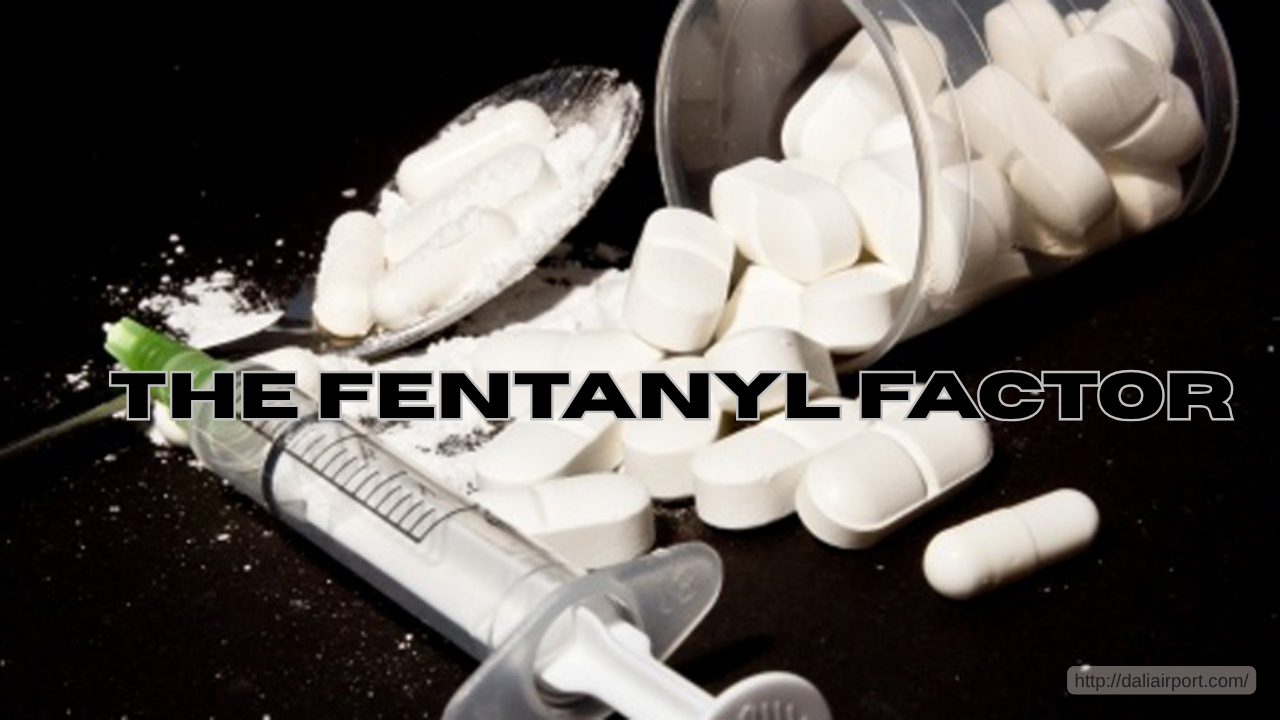
Across the world, a new and deadly force is fueling the opioid crisis. Fentanyl, a synthetic opioid up to 50 times stronger than heroin and 100 times stronger than morphine, has become the leading cause of overdose deaths in recent years. Its potency, combined with its widespread availability, has made fentanyl one of the most dangerous substances in circulation today. Understanding how fentanyl works, why it is so lethal, and what can be done to combat this crisis is vital for saving lives and supporting recovery.
What Is Fentanyl and Why Is It So Dangerous?
Fentanyl was originally developed for medical use as a powerful pain reliever, prescribed for patients with severe pain, especially those recovering from surgery or battling chronic conditions. When used under medical supervision, it can be safe and effective. The problem arises when fentanyl is produced illegally and mixed into other drugs like heroin, cocaine, or counterfeit pills without the user’s knowledge.
Even a small amount of fentanyl can be fatal. Because it is odorless and tasteless, users often have no idea they are consuming it. A dose as tiny as two milligrams can cause respiratory failure, leading to death within minutes. This unpredictability has made fentanyl the driving force behind the surge in overdose deaths worldwide.
The Growing Presence of Synthetic Opioids
The rise of fentanyl represents a shift in the drug landscape. Traditional opioids such as heroin and prescription painkillers have now been largely replaced by cheaper, more potent synthetic alternatives. Drug manufacturers and traffickers turn to fentanyl because it is easier to produce and transport. Unfortunately, this means that even individuals who believe they are using a less potent drug may unknowingly be putting their lives at risk.
The Impact on Families and Communities
The fentanyl crisis does not only affect individuals; it ripples through families, workplaces, and entire communities. Parents lose children, children lose parents, and families are left devastated by preventable tragedy. The emotional toll is immense, and the stigma surrounding addiction often keeps people from seeking help before it is too late.
Communities face increasing pressure on emergency services, healthcare systems, and mental health resources. Each overdose represents not just a statistic, but a life that could have been saved through awareness, intervention, and accessible treatment.
Pathways to Healing: How Treatment Can Save Lives
Although the fentanyl crisis is alarming, recovery is possible. With professional, compassionate care, individuals struggling with addiction can rebuild their lives and find lasting freedom.
Inpatient and Outpatient Treatment Options
Inpatient treatment provides a safe, structured environment where clients can undergo detoxification and begin recovery with constant medical and emotional support. Outpatient programs offer flexibility, combining counseling, group therapy, and education for those who need to balance treatment with work or family responsibilities. Both approaches are customized to meet each person’s unique situation and level of need.
Holistic and Faith-Based Recovery
Addiction affects the body, mind, and spirit. Holistic programs integrate physical wellness, mindfulness, and emotional healing to support full recovery. Faith-based approaches can also play a vital role, offering spiritual guidance and helping individuals find hope, meaning, and purpose in their healing journey.
Addressing Co-Occurring Disorders
Many individuals affected by fentanyl addiction also experience mental health conditions such as depression, anxiety, or trauma. Integrated treatment that addresses both addiction and mental health ensures more sustainable recovery and reduces the risk of relapse. Healing must go beyond stopping drug use—it must involve restoring balance to every area of life.
Breaking the Cycle: Awareness and Action
The key to reversing the fentanyl epidemic is awareness, prevention, and compassionate care. Education about the dangers of fentanyl can save lives, while removing stigma encourages more people to reach out for help. Families and communities must work together to promote recovery, provide support, and make treatment accessible to all.
Hope Beyond the Crisis
The fentanyl crisis is one of the greatest challenges of our time, but it is not without hope. With individualized treatment, holistic care, and a supportive community, recovery is possible for anyone. If you or someone you love is struggling with fentanyl or opioid addiction, now is the time to reach out for help. Healing begins with a single step—one that leads toward recovery, peace, and a renewed sense of purpose.