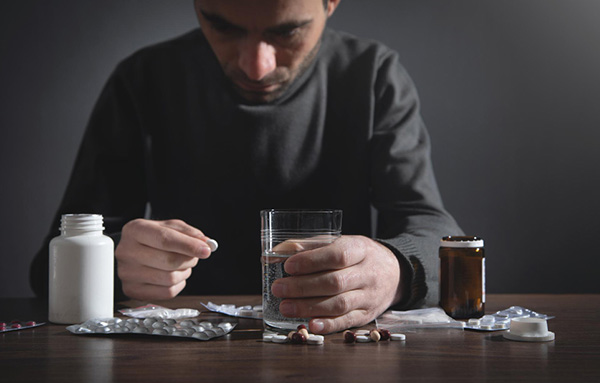
Drug or alcohol use can become a serious problem long before a person reaches a point of crisis. What may begin as occasional drinking, recreational drug use, or an attempt to cope with stress can gradually become a pattern that affects health, relationships, work, finances, and emotional well being. Understanding substance abuse means looking beyond how often someone uses a substance and paying attention to what that use is doing to their life. When substance use becomes difficult to control or continues despite harmful consequences, professional addiction treatment can provide the support needed to understand the problem and begin a healthier path forward.
What Is Substance Abuse?
Substance abuse describes a pattern of alcohol or drug use that creates harm or significant problems in a person’s life. It can involve alcohol, prescription medications, illicit drugs, or other substances that affect mood, behavior, judgment, or physical functioning.
The signs are not always obvious. A person may continue going to work, caring for family, or maintaining a social life while privately struggling with cravings or relying on substances to cope with everyday stress.
Over time, however, substance use can begin taking priority over responsibilities and relationships. The person may also find that attempts to cut back are becoming increasingly difficult.
This is one reason early recognition matters. Substance abuse does not need to reach an extreme stage before someone deserves professional help.
When Does Drug or Alcohol Use Become a Serious Problem?
There is no single amount of alcohol or drugs that automatically determines whether someone has a substance use problem. The more useful question is whether substance use is causing harm, interfering with daily life, or becoming difficult to control.
Continuing Despite Negative Consequences
One of the clearest warning signs is continuing to use alcohol or drugs even after experiencing negative consequences.
For example, someone might continue drinking after arguments with a spouse, use drugs after losing opportunities at work, or keep using despite health concerns. Knowing that substance use is causing problems but feeling unable to stop can indicate that professional support is needed.
Losing Control Over Use
Another warning sign is a growing inability to control how much or how often a substance is used.
Someone may decide to have one drink but continue drinking for hours. Another person may plan to use a drug only occasionally but gradually begin using it more frequently.
Repeatedly trying to cut back without success can be an important signal that substance use has become more serious.
Increasing Time and Attention
Substance use can gradually consume more of a person’s time and attention.
They may spend significant time obtaining substances, using them, recovering from their effects, or thinking about when they can use again. Activities that once mattered may receive less attention.
As this pattern develops, work, family, hobbies, and personal responsibilities can begin to suffer.
Common Signs of Substance Abuse
Recognizing the warning signs can help individuals and families take action earlier.
Physical and Behavioral Signs
Depending on the substance involved, signs may include:
- Noticeable changes in sleep or appetite
- Changes in appearance or personal hygiene
- Frequent fatigue or unusual bursts of energy
- Poor coordination or impaired judgment
- Increasing secrecy
- Missing work or appointments
- Unexplained financial difficulties
- Changes in social groups
- Loss of interest in hobbies
- Repeated conflicts with family members
These signs can have many possible explanations. However, when several appear alongside increased substance use, it may be time to seek a professional assessment.
Emotional Changes
Substance abuse can also affect emotional well being.
A person may become more irritable, anxious, depressed, withdrawn, or emotionally unpredictable. They may have difficulty managing ordinary stress without using alcohol or drugs.
In some cases, people use substances specifically because they are trying to escape painful emotions. Unfortunately, temporary relief can reinforce the behavior and make healthy coping more difficult over time.
The Connection Between Substance Abuse and Mental Health
Substance abuse and mental health often influence each other. Someone experiencing anxiety, depression, trauma, grief, or chronic stress may turn to alcohol or drugs as a way of managing difficult emotions.
At the same time, ongoing substance use can worsen existing mental health symptoms or contribute to new emotional difficulties.
This creates a cycle that can be difficult to break without appropriate support.
Why Mental Health Treatment Matters
Treating substance use without considering mental health can leave important issues unresolved. If someone stops using a substance but continues experiencing untreated trauma, severe anxiety, depression, or overwhelming stress, returning to substance use may seem like an easy way to cope.
Integrated mental health and addiction treatment can address both concerns together.
Treatment may help individuals:
- Understand emotional triggers
- Develop healthier coping strategies
- Process difficult experiences
- Improve emotional regulation
- Build healthier relationships
- Recognize situations that increase relapse risk
- Develop practical tools for managing stress
This whole-person perspective can make recovery more sustainable.
Why People Develop Substance Abuse Problems
Substance abuse does not have one universal cause. Several factors can contribute to the development of problematic use.
Stress and Emotional Pain
Some individuals begin using substances to manage stress, grief, loneliness, trauma, or other forms of emotional pain. The substance may initially provide temporary relief, but repeated use can create dependence on that short-term escape.
Environment and Social Influences
The people and environments surrounding someone can also affect substance use. Easy access to drugs or alcohol, social pressure, family patterns, isolation, and ongoing exposure to substance use can contribute to unhealthy behaviors.
Biological Vulnerability
Genetics and individual differences in brain chemistry can also influence a person’s vulnerability to substance use disorders. These factors do not mean addiction is inevitable, but they can affect how someone responds to alcohol or drugs.
Understanding these influences can help remove some of the shame surrounding addiction. More importantly, it can help treatment professionals identify the areas that need attention during recovery.
Getting Professional Help for Substance Abuse
When substance use becomes difficult to manage alone, professional treatment can provide structure, expertise, and accountability.
The appropriate level of care depends on the individual’s needs. A professional assessment can help determine whether inpatient treatment, outpatient services, counseling, mental health care, or a combination of approaches is appropriate.
Inpatient Addiction Treatment
Inpatient treatment provides a structured environment where individuals can focus on recovery while receiving ongoing professional support.
This setting can be especially useful for people whose substance use has significantly disrupted their daily lives or who need more stability and structure during treatment.
Inpatient care may include counseling, behavioral therapies, mental health support, recovery education, structured routines, and relapse prevention planning.
The goal is not simply to remove a person from substances temporarily. It is to give them an opportunity to understand their patterns and develop skills for living differently.
Outpatient Addiction Treatment
Outpatient treatment allows individuals to receive professional care while continuing to live at home and maintain certain work, family, or educational responsibilities.
Services can include individual counseling, group therapy, mental health treatment, recovery education, and ongoing support.
Outpatient care can also help individuals practice recovery skills in real life while continuing to receive guidance from treatment professionals.
The Value of Personalized Addiction Treatment
Addiction affects people differently, so treatment should account for individual circumstances.
A person’s substance use history, mental health, family relationships, physical health, living environment, previous treatment experiences, personal values, and recovery goals can all influence the appropriate treatment plan.
Treatment Should Address the Whole Person
Personalized addiction treatment looks beyond the substance itself.
A strong treatment plan may address:
- Substance use patterns
- Mental health
- Physical wellness
- Family relationships
- Emotional regulation
- Stress management
- Relapse prevention
- Personal goals and values
This approach helps individuals understand why substance use became part of their lives and what changes may be necessary to move forward.
How Holistic and Faith Based Approaches Can Support Recovery
Recovery involves more than stopping substance use. People also need to rebuild routines, relationships, confidence, purpose, and healthy ways of coping.
Holistic Recovery
Holistic approaches can complement clinical addiction treatment by considering physical, emotional, social, and personal well being.
Depending on the treatment plan, holistic support may involve healthy lifestyle practices, mindfulness, physical activity, creative expression, stress reduction, and other wellness focused activities.
These approaches can help individuals develop a broader foundation for recovery.
Faith Based Recovery
For people whose faith is central to their lives, spiritual support can provide an additional source of hope, purpose, and connection.
Faith based recovery may encourage individuals to explore forgiveness, responsibility, identity, service, and personal meaning. When combined with appropriate clinical care, these principles can become part of an individualized recovery plan.
What to Do If You Think Substance Use Has Become a Problem
Recognizing a substance abuse problem can bring up fear, guilt, or uncertainty. However, waiting for the situation to become worse rarely makes recovery easier.
If you are concerned about your own substance use, consider speaking with an addiction treatment professional. An assessment can help you understand the severity of the problem and identify appropriate treatment options.
If you are concerned about someone you love, approach the conversation with care. Avoid shaming or threatening the person. Instead, describe the changes you have noticed and explain that you are concerned about their well being.
Most importantly, remember that asking for help does not require someone to have reached their lowest point.
Recovery Begins With Taking the Problem Seriously
Substance abuse can affect much more than a person’s relationship with alcohol or drugs. It can influence mental health, physical well being, family relationships, employment, finances, and a person’s sense of purpose. Recognizing the problem early creates an opportunity to address these issues before they become even more difficult to manage.
Effective addiction treatment should be individualized, practical, and focused on the whole person. Whether someone needs inpatient care, outpatient treatment, mental health support, holistic services, faith based guidance, or a combination of approaches, professional care can provide a structured path toward meaningful change.
If drug or alcohol use is beginning to interfere with your life, do not wait for another consequence to force the decision. Reach out for professional support and begin understanding what is driving the substance use. Recovery is possible, and taking the first step can begin with something as simple as an honest conversation.